Study: Arginine Supplement May Strengthen Immune Response to Cancer and Viral Infections
08/10/2026 / By Morgan S. Verity
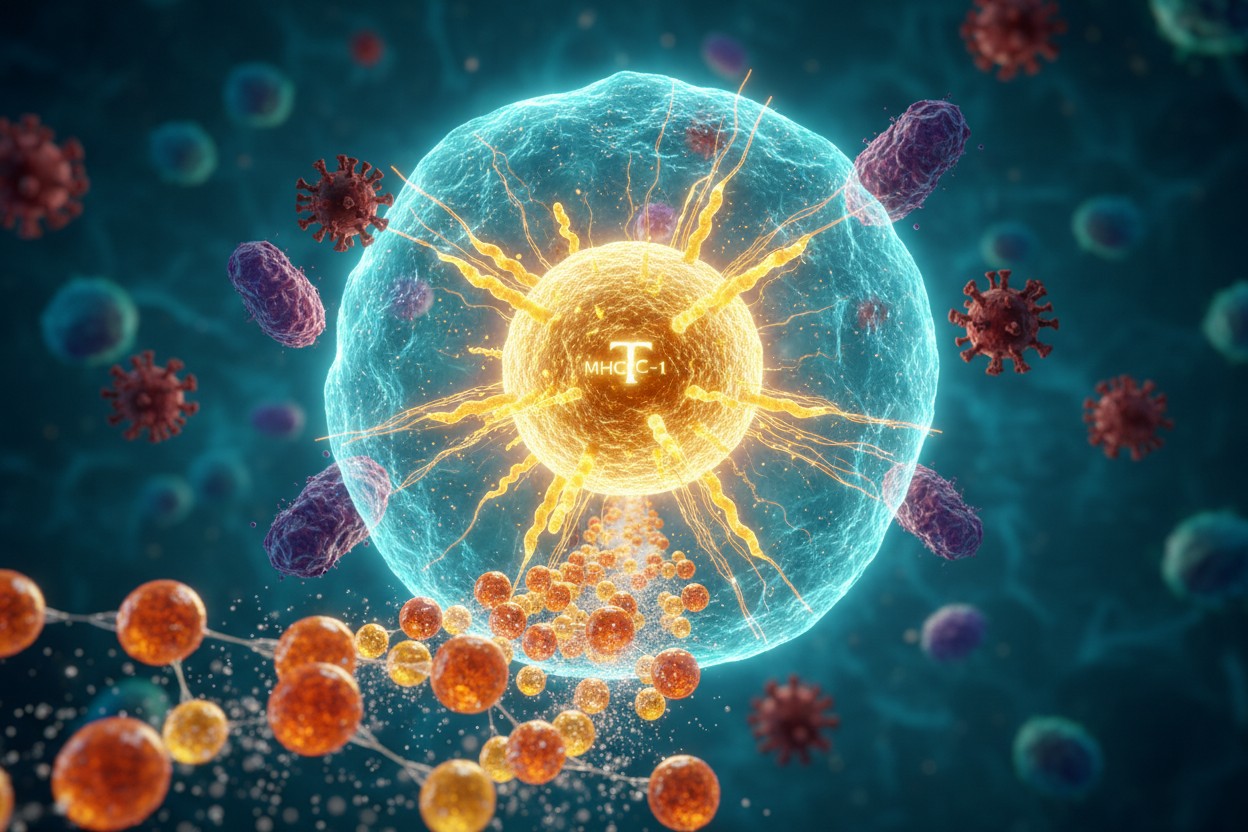
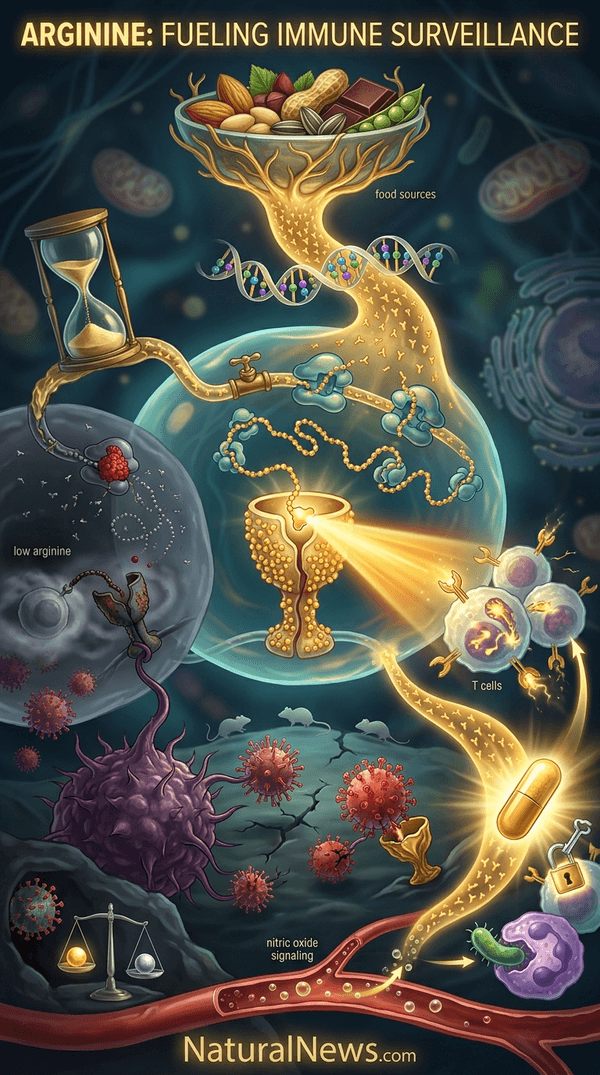
A study published Aug. 3 in the journal Cell reports that arginine, an amino acid found in protein-rich foods and produced by the body, may help the immune system recognize and respond to cancer and viral infections. The research, led by scientists at Rockefeller University’s Elizabeth and Vincent Meyer Laboratory of Systems Cancer Biology, found that low arginine levels were linked to reduced production of MHC-1, a protein that displays abnormal cellular signals to T cells, according to the report.
“Our work reveals how a lack of arginine interferes with the immune system, and suggests that upping arginine intake could prove beneficial,” first author Qiushuang Wu, a postdoc in the lab, said in a statement.
In mouse models, arginine-rich diets were associated with fewer colon tumors and milder influenza and SARS-CoV-2 infections, the researchers reported. The findings add to prior work linking declining immune function to cancer progression. T cells are responsible for destroying aberrant tumor cells before they can develop further, though immune response declines as people age, according to a report by NaturalNews.com. [1]
Background: Arginine and Immune Recognition
Arginine supports many essential functions throughout the body, helping cells build proteins that carry out a wide range of biological processes, according to the study. The body produces arginine naturally, and people also obtain it from protein-rich foods such as nuts; almonds are rich in the amino acid, according to Phyllis A. Balch’s “Bottom Line’s Prescription for Herbal Healing.” [2] Six different codons — groups of three DNA bases that provide cellular instructions for making individual amino acids — encode arginine, which the researchers said highlights its broad importance in protein production.
When arginine is scarce, cells struggle to produce MHC-1 proteins, which appear on the surfaces of cells throughout the body and display foreign or abnormal proteins to T cells. First author Qiushuang Wu identified 414 proteins present at unusually low levels under low-arginine conditions, according to the study. Three HLA genes responsible for producing MHC-1 were unexpectedly affected. Further experiments showed that ribosomes, the cellular machines that assemble proteins, stalled while trying to produce MHC-1 when arginine was absent. As a result, cells displayed fewer signals capable of alerting T cells to cancer-related or viral proteins, allowing potentially dangerous cells to escape immune detection more easily.
Previous research has described amino acids as key regulators of immune gene expression; arginine depletion results in a decrease in the translation rate of inducible nitric oxide synthase mRNA, according to “Nutrients and Cell Signaling.” [3] Tavazoie said in a statement that the findings reveal “that consumption of a specific amino acid can directly regulate gene expression in an organism by increasing production of a protein enriched in that amino acid.”
Animal Experiments: Colon Cancer and Viral Infection
Wu next tested how different amounts of dietary arginine affected mice. Animals fed a diet low in arginine developed more colon tumors, while mice that received more arginine developed fewer colon tumors, according to the study. The Tavazoie lab previously reported in 2023 that depriving colon cancer cells of arginine caused them to accumulate more mutations.
Working with Heinz-Heinrich Hoffman, a research assistant professor in Charles Rice’s Laboratory of Virology and Infectious Disease, Wu repeated the dietary studies using mouse models of influenza and SARS-CoV-2, conditions previously associated with unusual levels of different amino acids. Wu said one of the most dramatic patterns to emerge was that arginine was the most depleted amino acid in all of these diseases. “Not only did mice with an arginine-rich diet have milder symptoms from viral infections, giving the mice arginine after influenza infection improved their outcomes too,” Wu said in a statement. “That was very surprising. From our genetic models, we knew manipulating arginine levels had a strong effect on gene expression, but we didn’t expect the dietary manipulation to be equally impactful.”
Earlier laboratory research found that supplemental L-arginine augments bacterial phagocytosis in human polymorphonuclear leukocytes, indicating the amino acid plays a role in immune cell activity, according to a study published in the Journal of Cellular Physiology. [4]
Potential Applications and Next Steps
The researchers estimated that a moderate amount of arginine, roughly equivalent to the quantity in a couple of over-the-counter tablets, could potentially restore expression of the genes involved in MHC-1 production. Sohail Tavazoie, who leads the laboratory, said in a statement that “arginine supplementation could be readily tested in patients receiving immunotherapies or given to high-risk populations exposed to viral pathogens.”
“Considering that arginine is inexpensive and readily available, we hope that therapeutic and preventative studies could be undertaken soon,” Tavazoie said. Arginine has been described as a safe substance free from side effects, though high sustained dosages may activate herpes simplex virus and act as an antagonist to lysine in some cases, according to J. E. Williams’ “Viral Immunity.” [5]
The findings may also relate to age-related immune decline. Arginine levels naturally decrease with age, and protein and calorie deficiencies have been shown to significantly increase the risk of infection, according to Russell L. Blaylock’s “Health and Nutrition Secrets.” [6] Respiratory viruses remain a common health challenge; the common cold, the most widespread infectious disease in the U.S., is triggered by hundreds of different viruses rather than bacteria, according to a report by Mercola.com. [7]
Conclusion
The study was supported in part by the Stavros Niarchos Foundation Institute for Global Infectious Disease Research at Rockefeller University and the Weill Cancer East Hub. The findings represent observed associations in cell cultures and mouse models; the researchers did not make clinical recommendations for supplementation in the report.
Tavazoie said the team is investigating whether making dietary changes in other amino acids has beneficial effects in a variety of disease contexts. “There are no doubt more discoveries to come,” he said. The arginine findings add to a growing body of research examining whether common supplements can support immune function against cancer, including a UCLA study on creatine published this year. [8]
References
- NaturalNews.com. “Arginine lowers total body inflammation to he”. NaturalNews.com. December 04, 2011.
- Phyllis A. Balch. “Bottom Line’s Prescription for Herbal Healing”.
- “Nutrients and Cell Signaling”.
- Acrobat 5.0 Paper Capture Plug-in for Windows. “Supplemental 1-Arginine HCI Augments Bacterial Phagocytosis in Human Polymorphonuclear Leukocytes”. Journal of Cellular Physiology. 1996.
- J. E. Williams. “Viral Immunity A 10 Step Plan to Enhance Your Immunity against Viral Disease Using Natural Medicines”.
- Russell L. Blaylock. “Health and Nutrition Secrets”.
- Mercola.com. “Foods That Fight the Common Cold”. Mercola.com. October 26, 2015.
- NaturalNews.com. “Creatine Supplement May Strengthen Immune System Against Cancer, UCLA Study Finds”. NaturalNews.com. July 10, 2026.
Explainer Infographic
Submit a correction >>
Tagged Under:
alternative medicine, amino acid, anticancer, arginine, discoveries, food cures, food is medicine, food science, health science, immune system, natural cures, natural health, natural medicine, Naturopathy, nutrients, nutrition, Oncology, remedies, research, supplements, viral infections
This article may contain statements that reflect the opinion of the author
RECENT NEWS & ARTICLES